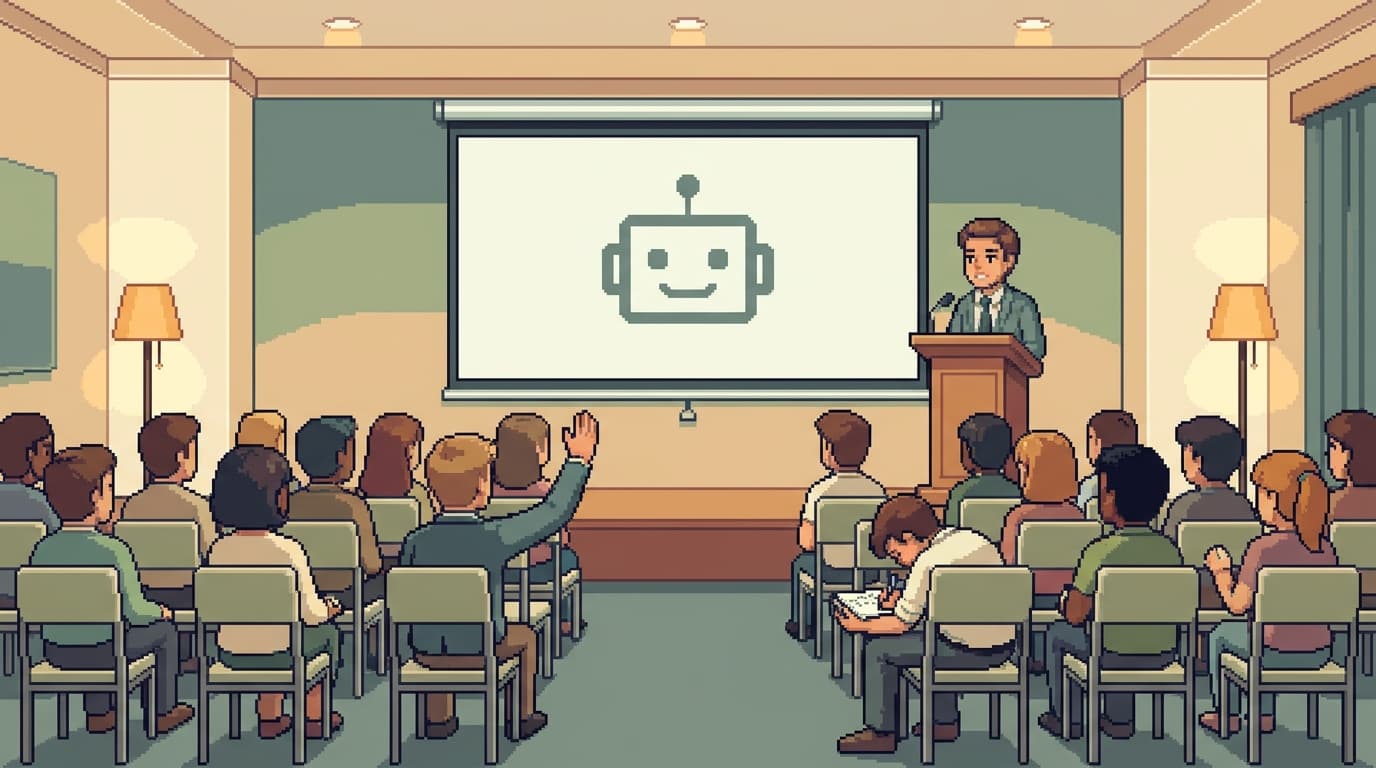
Yesterday I attended "Leading with AI in 2026 – Managing Change in the AI Era" organised by SME Centre@SCCCI. Dr Yong Hsin Ning spoke about the MARS model for managing AI adoption, and it crystallized something I've been noticing in my own projects.
We're focused on the wrong thing
The conversation around AI is always about the technology — how smart it is, what it can do, how it will transform everything. But the real challenge isn't the AI. It's the humans who need to work with it.
AI adoption isn't a one-time event anymore. It's continuous. The iterations are too fast for the old "train once, deploy, done" approach. By the time your team has adapted to one version, there's already a new capability to learn.
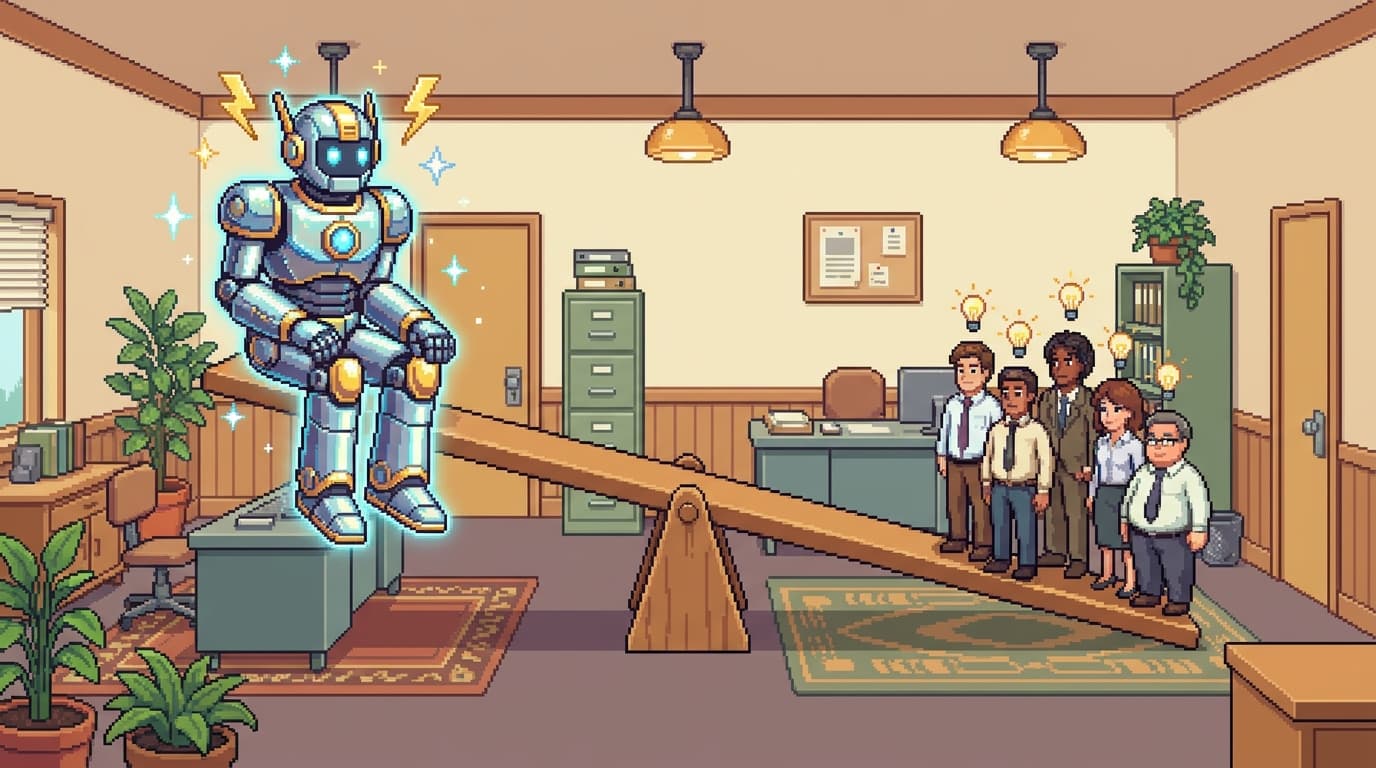
The goal isn't to replace human work
The goal is mutual learning:
- Humans learn from AI systems how to optimize processes
- AI systems learn from human feedback to get better
Too often I've seen projects get caught up in the hype — the promise of "10x ROI", the flashy demos, the executive buy-in based on buzzwords. But without genuine adoption from the people actually using these tools, AI initiatives fail quietly. The tech works fine. The culture doesn't.
Start small
Dr Yong ended with an actionable take-away. Experiment.
Tell your team to find one small thing to experiment with. ChatGPT, Claude, whatever. Just start.
It plants a seed. With time, those micro-experiments grow into questions like "how could this connect to our actual workflow?" and eventually into real, integrated systems.
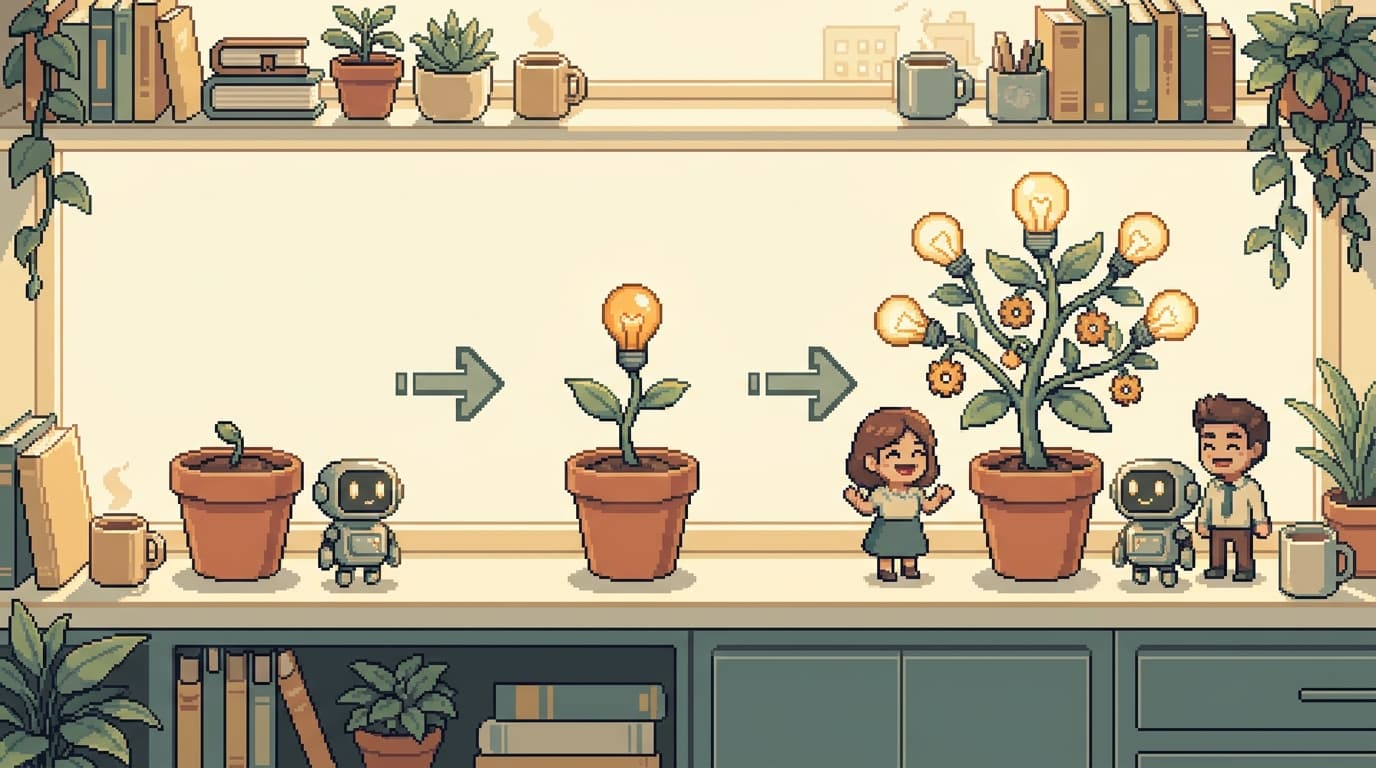
The 10x ROI doesn't come from the AI. It comes from people who've learned to think differently about their work.
Attended the talk by Dr Yong Hsin Ning at SME Centre@SCCCI, January 2026.